ZinCuTecZinCuTec Call us DE EN
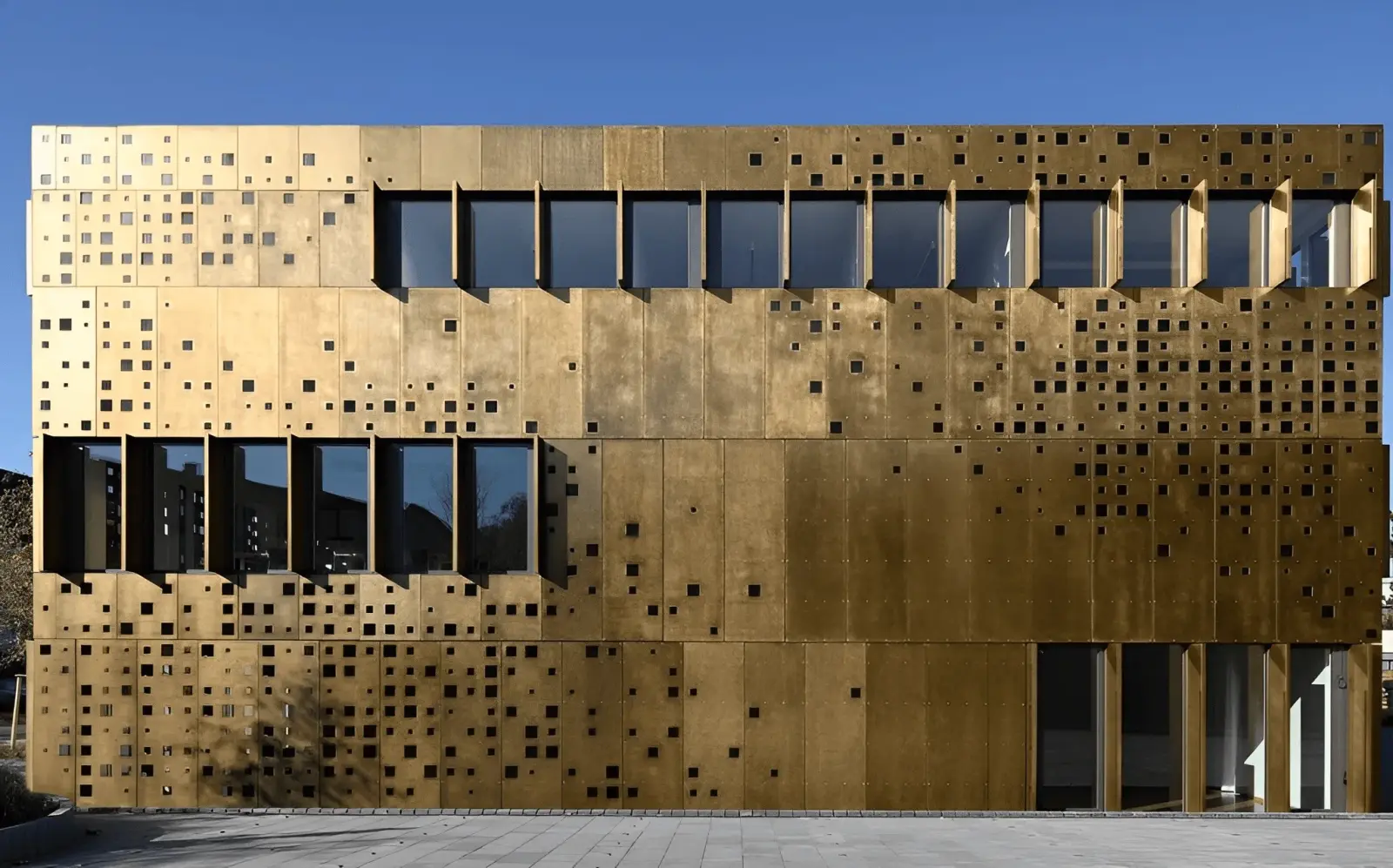
Façade of Hinterschwepfinger in Burghausen in large format burnished brass

Burnished brass

Burnished brass: surfaces formed in the metal, not on it.

From light brass gold to almost black anthracite. Nine surfaces for façade, wall cladding and interiors, finished in our own workshop in Nürtingen. Since the year 2000.

How burnishing works
The process

What happens during burnishing

Four steps that explain why a burnished surface looks different and ages differently from a lacquered one.

01

Conversion

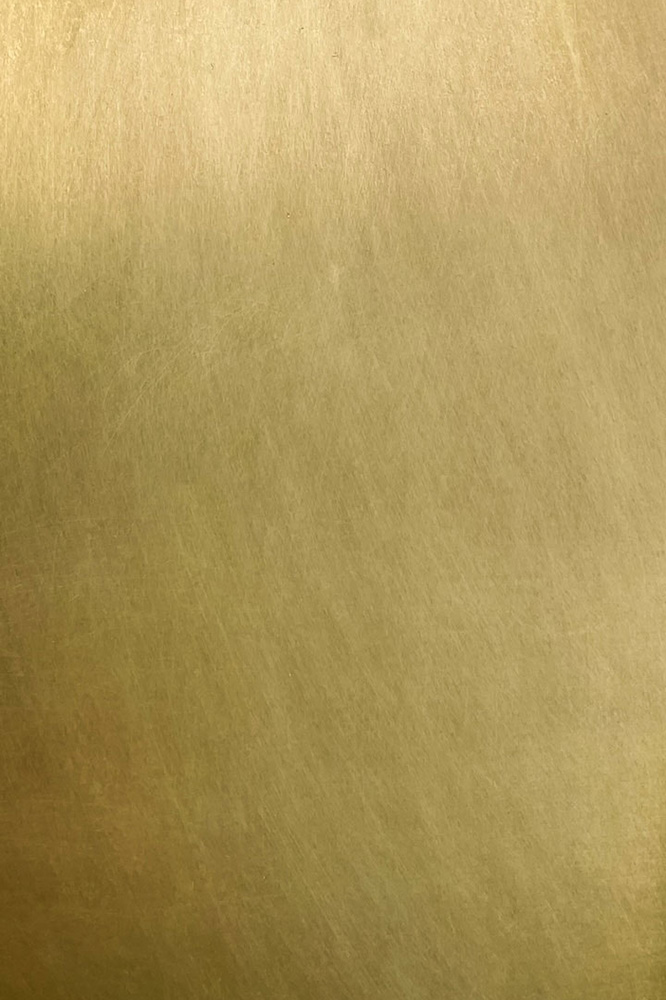
The brass is neither lacquered nor coated. In a chemical bath the topmost layer of the metal itself converts into a thin, dark mixed oxide layer. It is firmly bonded to the base material and cannot flake off, because there is no separate layer that could come away.
02

Colour

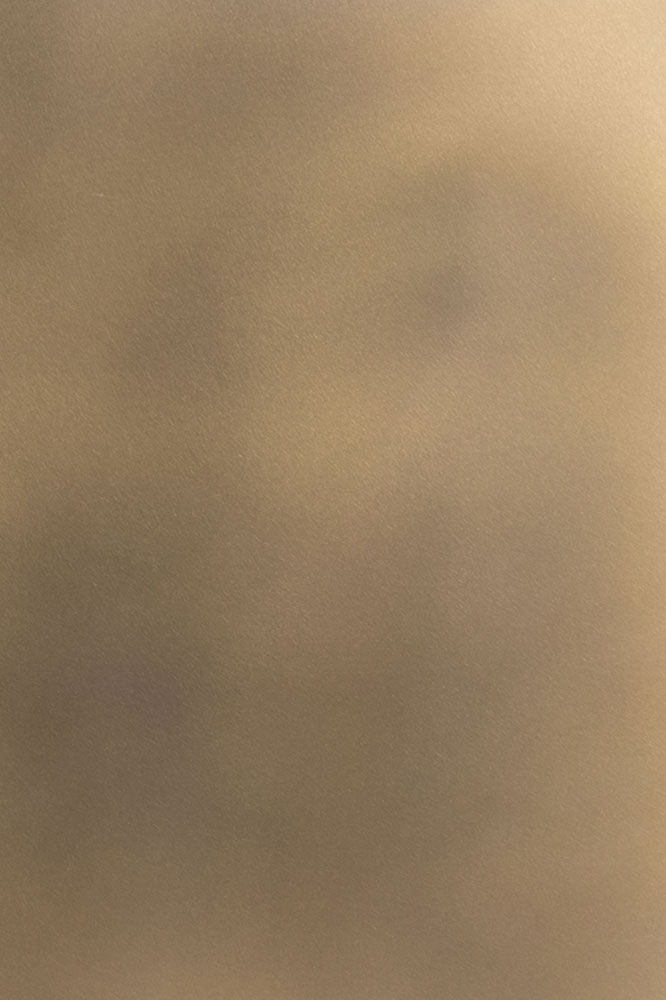
How far the conversion is taken decides the tone. From light brass gold through warm brown to almost black anthracite. Because the colour sits in the metal, the preparation stays visible: grinding or brushing still reads through.

03

Marking

The reaction is guided by hand, so every surface carries its own marking. The character of a finish is repeatable, the exact image is not. For large continuous areas that belongs in the design stage.

04

Protection

On request we seal the finished surface with wax or lacquer. Unsealed it keeps changing, waxed the process slows down, lacquered the colour stands still.

The three finishes compared
Surfaces

From light to dark

All nine come from our own workshop and all can be ordered as samples. The last two fall outside the row: green and turquoise do not appear on brass by themselves, only through controlled patination in the workshop.

Sample surface brass Korinth
BrassKorinth

Light, brushed, silky sheen

Sample surface brass Pergamon
BrassPergamon

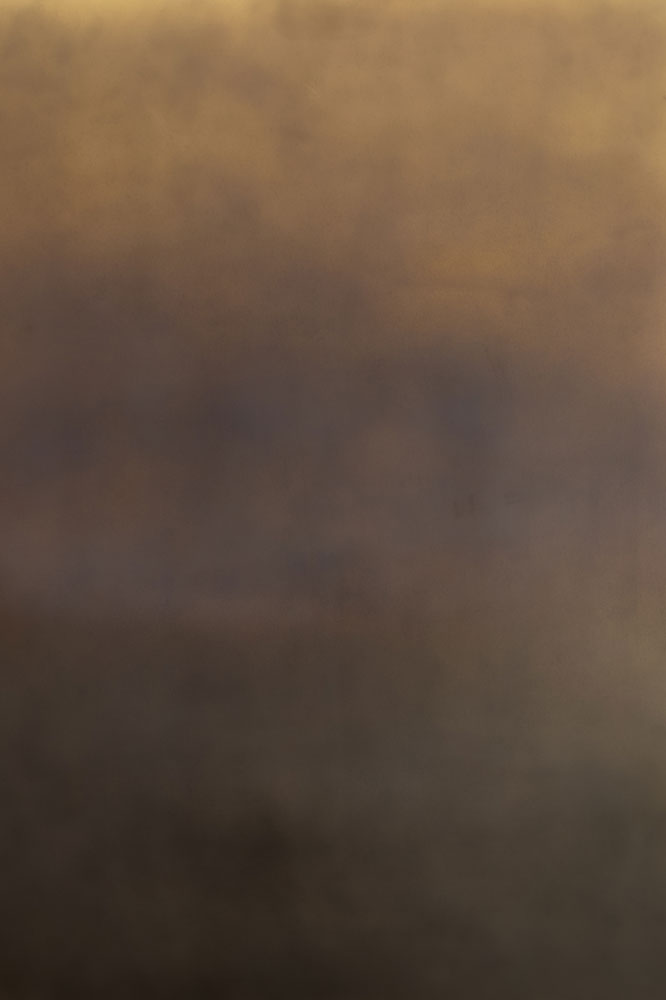
Light greige, satin, soft clouding

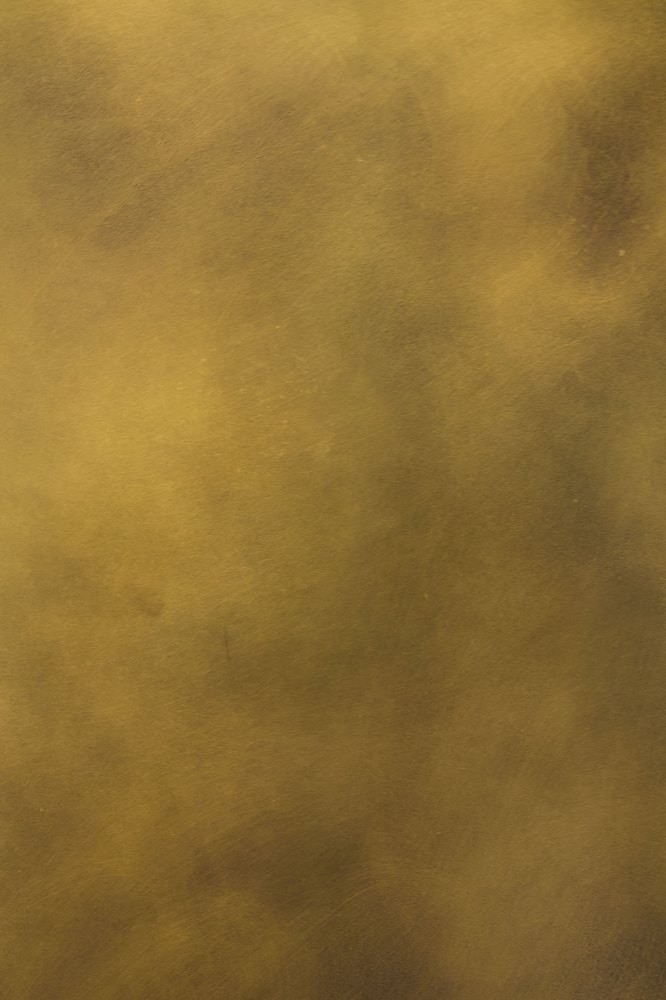
Sample surface brass Solaris
BrassSolaris

Golden brown gradient with a violet sheen

Sample surface brass Athen
BrassAthen

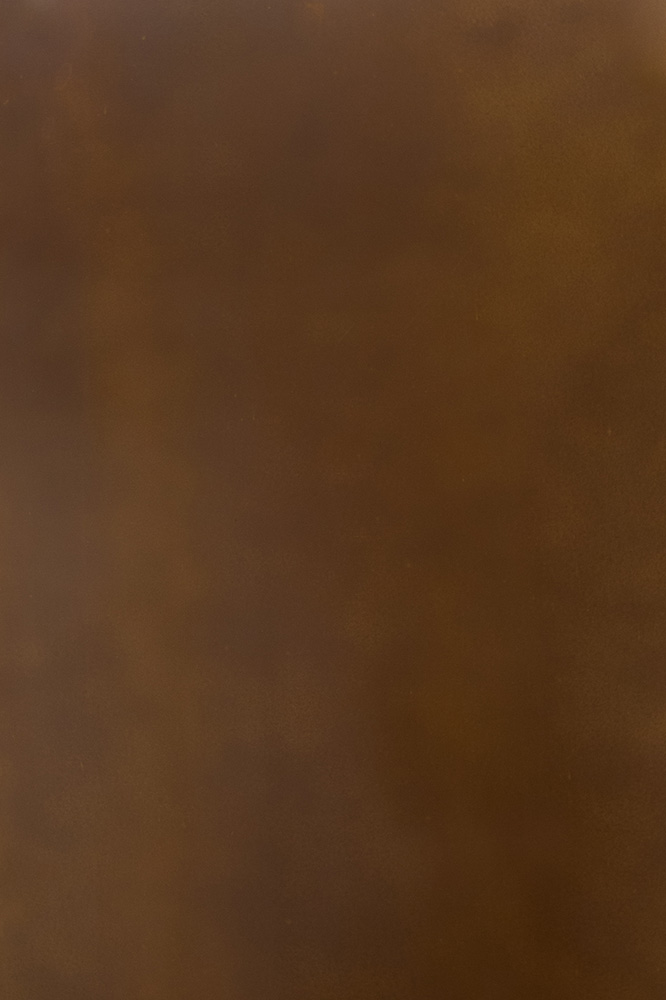
Warm mid brown with a golden undertone

Sample surface brass Roma
BrassRoma

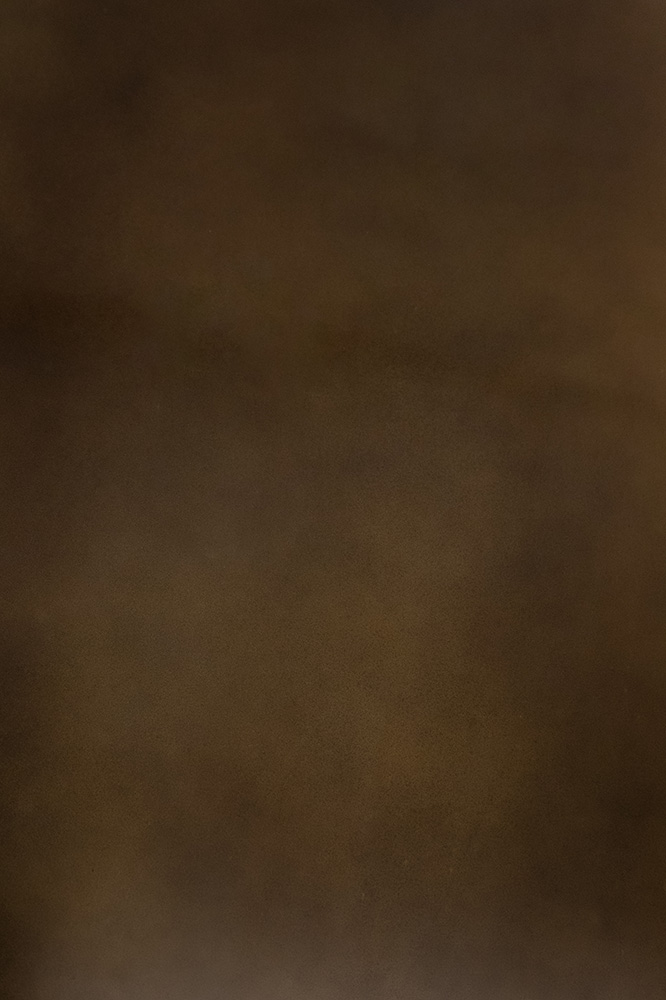
Dark chocolate brown over an olive ground

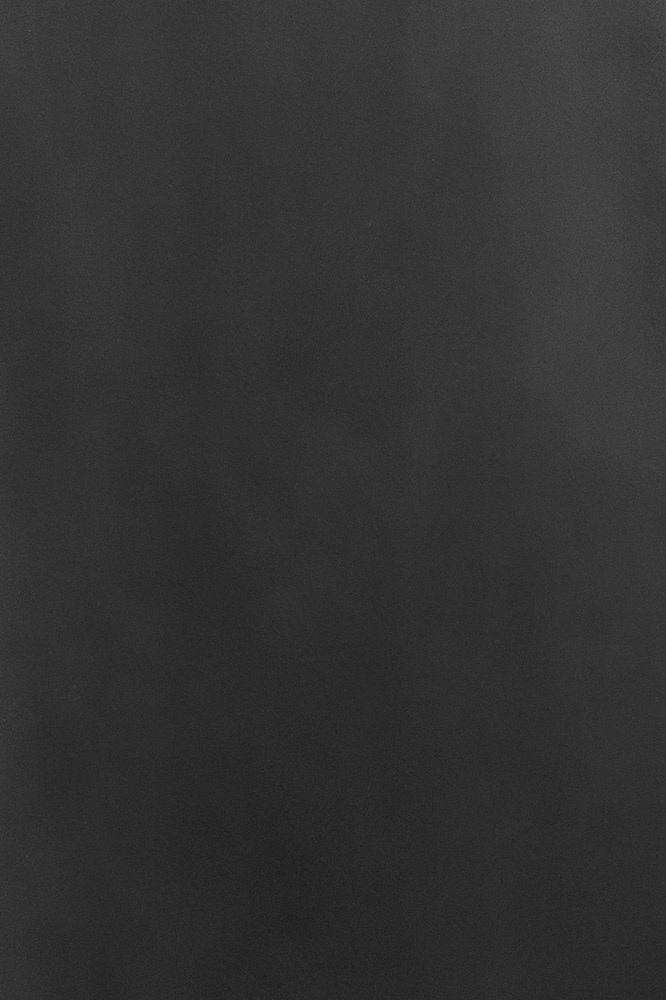
Sample surface brass Alexandria Schliff
BrassAlexandria Schliff

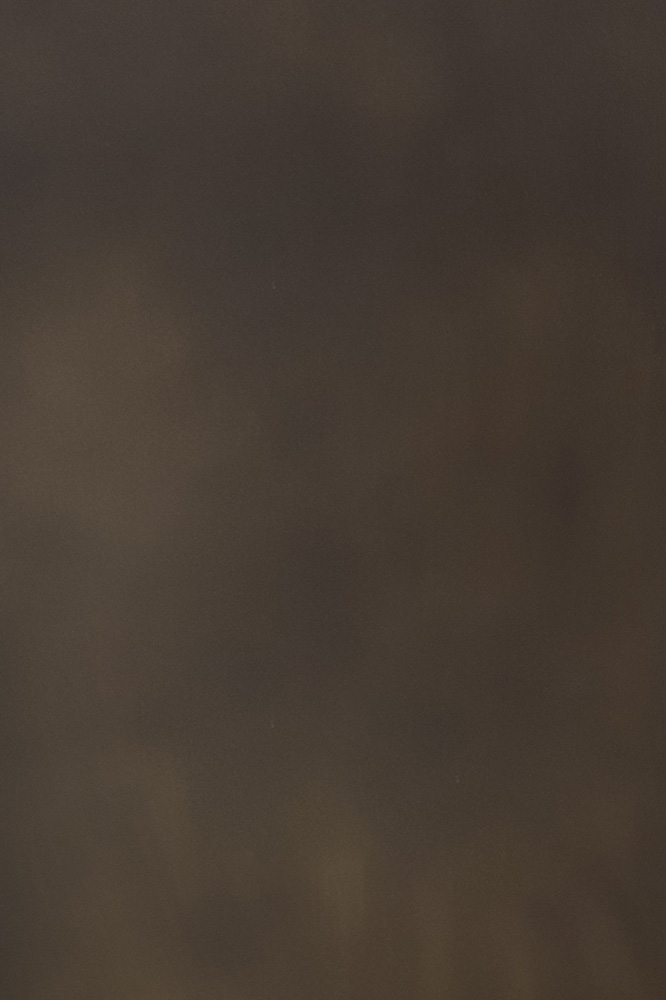
Grey brown, matt, grinding still visible

Sample surface brass Alexandria
BrassAlexandria

Almost black anthracite, matt

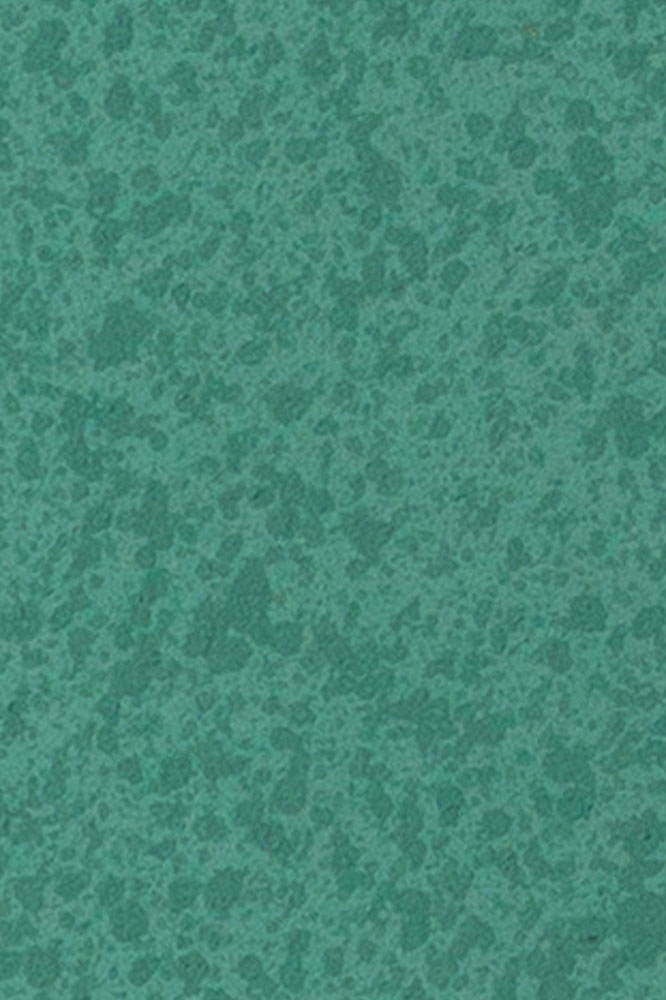
Sample surface brass Oslo
BrassOslo

Mid green with fine mottling

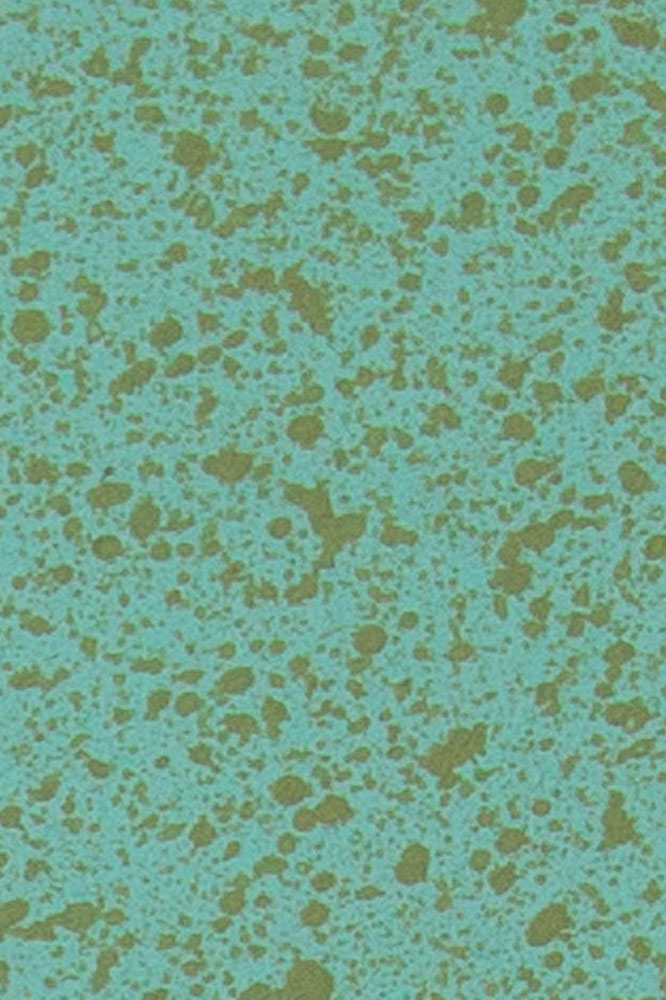
Sample surface brass Vancouver
BrassVancouver

Turquoise with olive gold speckles

Order samples free of charge

Projects

Buildings with our surfaces

Courts, government buildings, research facilities and large façades, in Germany, Austria and Luxembourg.

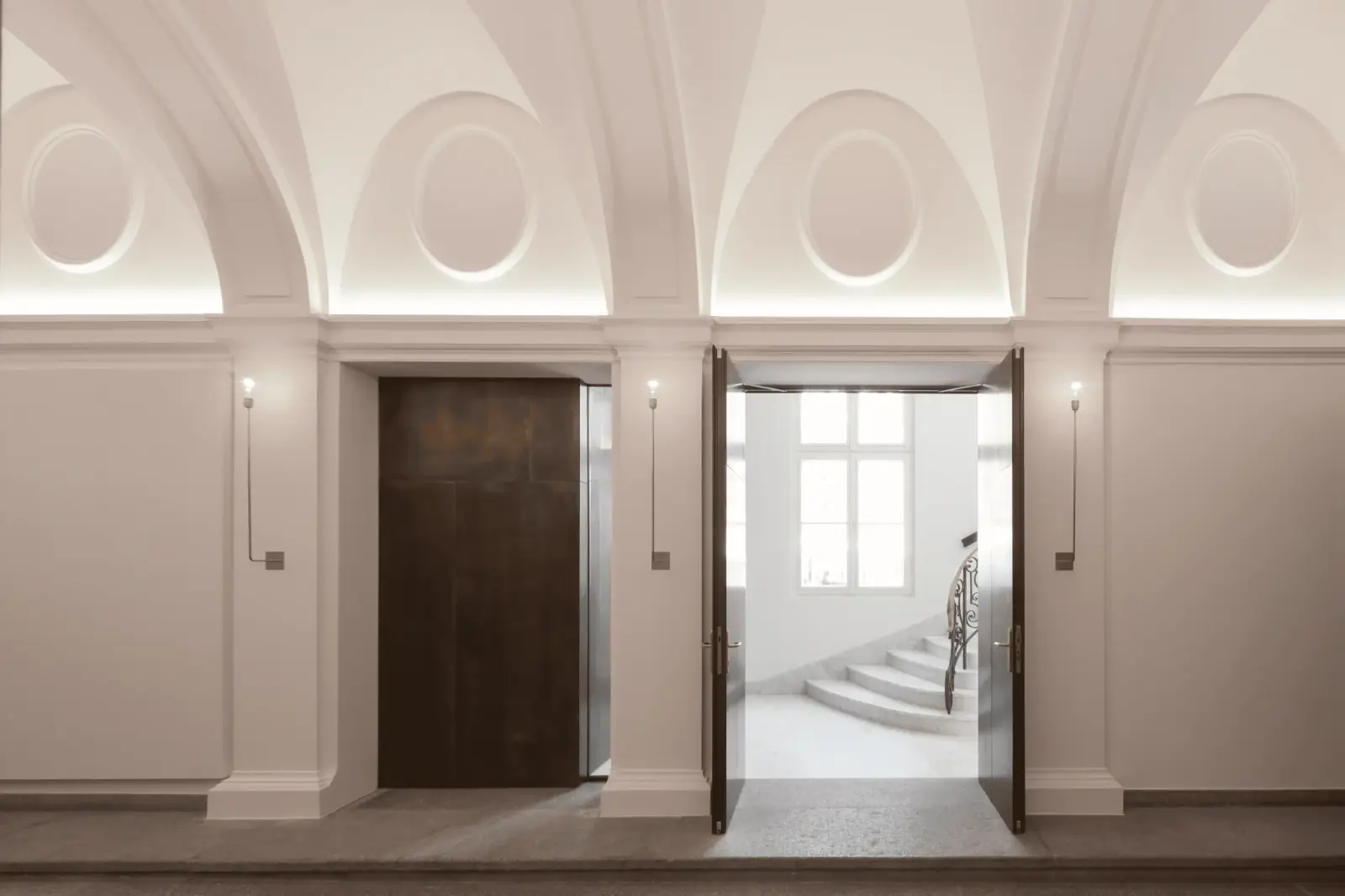
Interior at the Ministère d’État in Luxembourg with wall cladding in burnished brass

Ministère d’État

Luxembourg

Selected interiors at the seat of the Luxembourg government were reworked. ZinCuTec produced the lifts and large wall claddings in burnished brass. Finely graded tones bring out deliberate contrasts, among them a reference to the state coat of arms.

Architects: Kaell Architecte

Brass façade at the Federal Constitutional Court in Karlsruhe

Federal Constitutional Court

Karlsruhe · 2008

The clearly structured building received a brass envelope with deliberately reduced sealing. The surface is allowed to change: wind, light and weather write their own marking into the material. Instead of a fixed state, a façade emerges that works with time.

Reduced sealing, open ageing

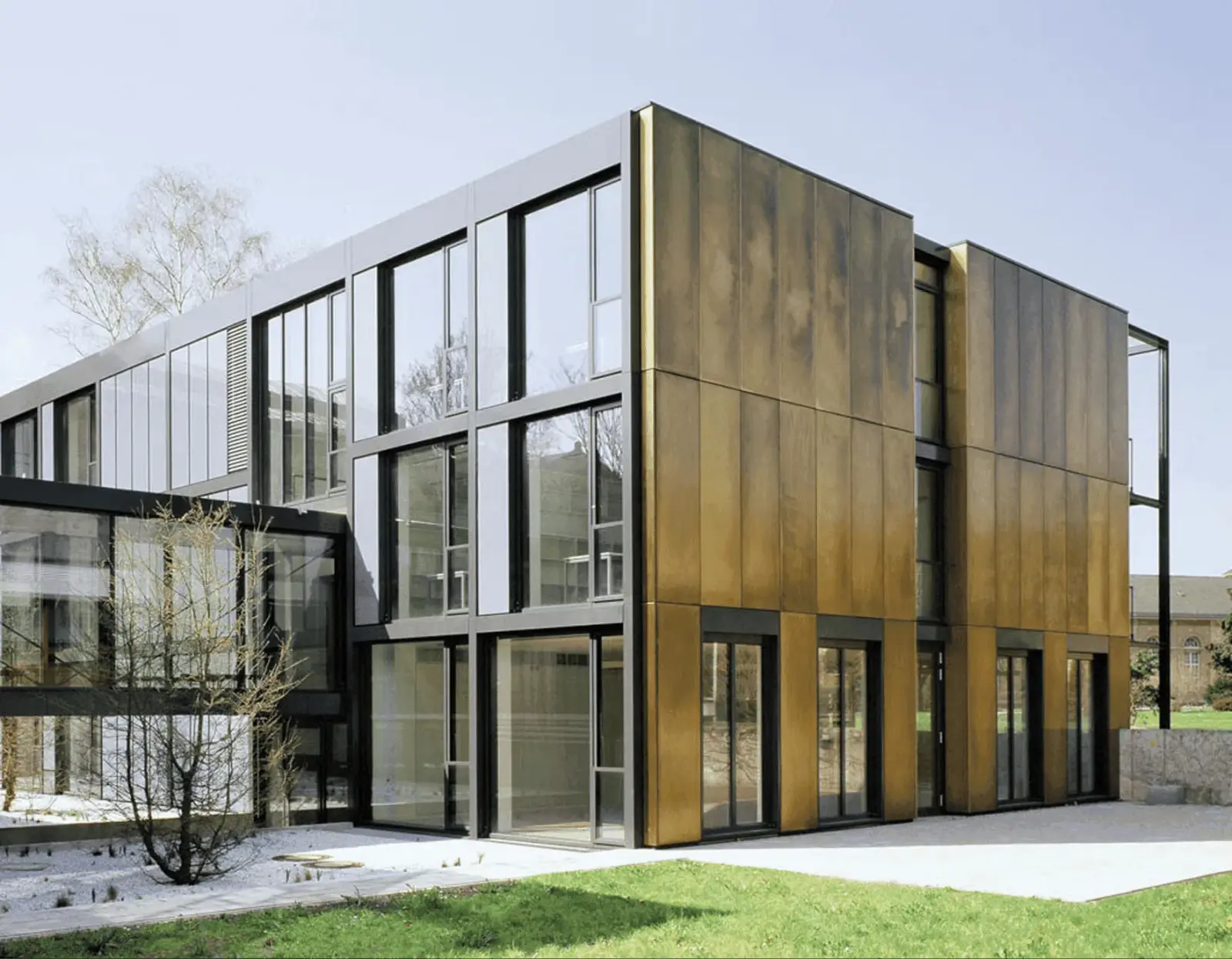
Brass façade at the TZA building of the Fraunhofer Institute in Darmstadt

Fraunhofer Institute

Darmstadt

The TZA building was entirely re-clad. ZinCuTec produced the façade cladding in brass composite panels, matched exactly to the building structure. A finely adjusted surface treatment gives a controlled, warm tonality across the whole envelope.

Brass composite panels, continuous envelope

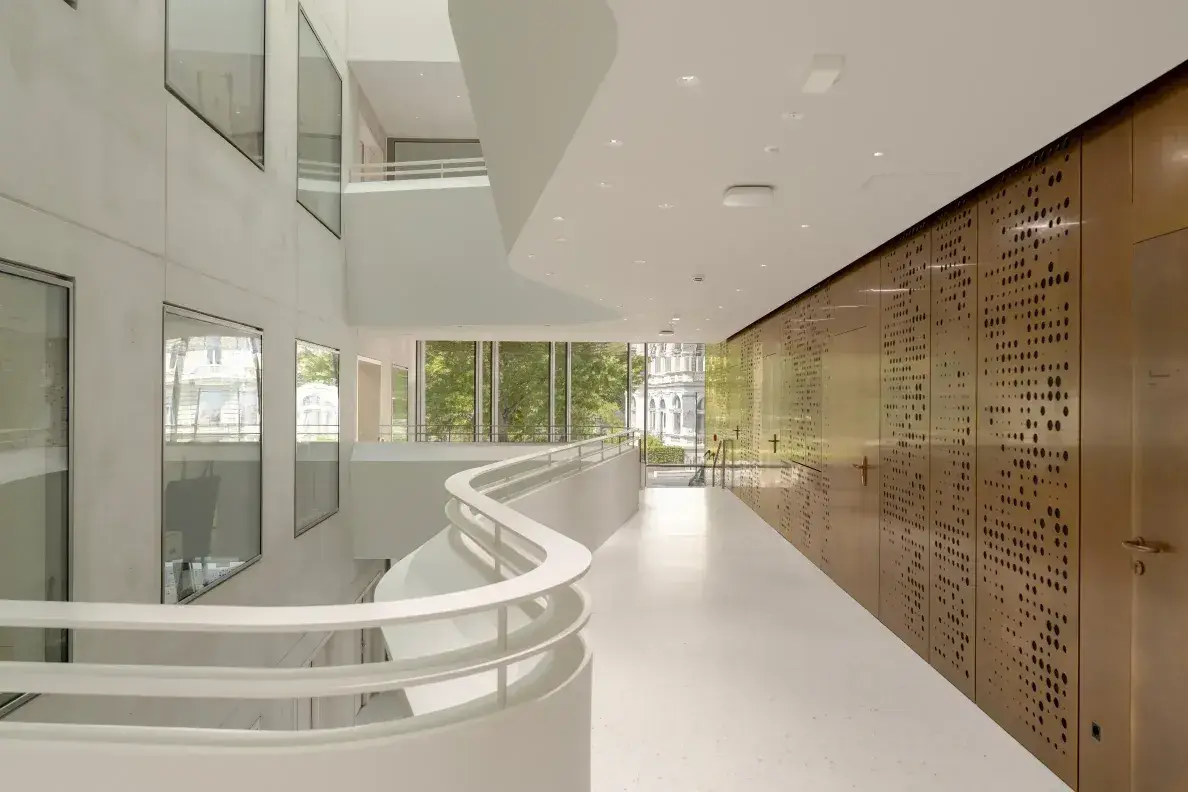
Brass wall cladding at the Mozarteum University in Salzburg

Mozarteum University

Salzburg

For the site at the Kurgarten, ZinCuTec developed a dedicated brass surface, tuned to the tonality, depth and light of the building. Around 300 square metres were produced under considerable time pressure: parts were collected continuously and installed immediately, production and assembly running in parallel.

Architects: Berger and Parkkinen, around 300 m²

See all projects

Where it is used

Applications and limits

Brass façade, wall cladding, lift car, reception counter. Burnished brass carries large areas and stands up to heavy use indoors.

Façade and envelope

  • Cassettes, panels and bands
  • Large formats up to 5,000 millimetres
  • Brass composite panels for large areas
  • Copings, flashings, dormers
  • Solar shading, louvres, sliding shutters

Interiors

  • Wall cladding across several storeys
  • Lift cars and lift lobbies
  • Ceilings and floating panels
  • Stairwells and balustrade infills
  • Room dividers and screens

Fit-out

  • Reception counters and bars
  • Furniture fronts and built-in units
  • Portals, door leaves and frames
  • Kitchen cladding in hospitality
  • Parapets and infill panels

Detail

  • Handrails and ironmongery
  • Reliefs, crests, lettering
  • Light fittings and signage

Frequent questions

What does burnishing do to the brass?

Burnishing is a chemical conversion of the surface. The brass is not coated: its topmost layer reacts into a thin, firmly bonded layer of copper and zinc oxides. That layer is dark, from warm golden brown through chocolate brown to deep anthracite, depending on how the process is run. The surface stays metallic, so grinding or brushing remains visible after burnishing.

Why does brass not turn green like copper?

Brass is an alloy of copper and zinc. The green patina on copper consists of basic carbonates that form over years under moisture and carbon dioxide. The zinc content changes that behaviour: outdoors, brass darkens towards brown and grey brown, and a closed green layer forms far more slowly and far more rarely. Green or turquoise tones on brass are created in the workshop, for example in the Oslo and Vancouver surfaces.

Is burnished brass suitable for façades?

Yes. The Joseph-Pschorr-Haus in Munich, the Hinterschwepfinger façade in Burghausen, a listed villa in Stuttgart and the Federal Constitutional Court in Karlsruhe all carry façades in burnished brass. What matters is the surface protection chosen: unsealed, the surface keeps ageing; waxed or lacquered, the colour stays largely stable for years.

Does burnished brass keep changing outdoors?

That depends on the finish. Left natural, the surface keeps reacting with air and weather and becomes calmer and darker over time. At the Federal Constitutional Court the sealing was deliberately held back so the façade could change over the years. Waxed, the process slows down; lacquered, it stops.

How even is the colour across large areas?

The colour character is repeatable, the exact marking is not, because the colour comes from a chemical reaction guided by hand. For large continuous areas we tune the process to the project. At Hinterschwepfinger, panels in special formats up to 5,000 millimetres were burnished, with a calm, planar effect across the whole façade.

Does burnished brass survive cleaning and use indoors?

Yes, with the right sealing. In the Rosenberger commercial kitchen in Fridolfing the kitchen areas are clad in burnished brass, protected by a particularly durable sealing against moisture, cleaning and mechanical wear. For care: mild agents and soft cloths, no abrasive or acidic cleaners.

What is the difference between burnishing and patination?

Both processes create the colour in the metal, not on it. Burnishing produces a dark oxide layer on brass in brown to black tones. Patination produces basic carbonates on copper in green and turquoise tones. Burnishing is the process for warm, dark surfaces, patination the one for the colours of an aged copper roof.

Is brass compatible with other metals on site?

Not with all of them. Brass is nobler than aluminium, zinc and galvanised steel. In direct contact with moisture present, the less noble metal is attacked, which is called galvanic corrosion. It is solved with separating, non-conductive layers or a stainless steel substructure. The only thing that matters is that it is considered early.

Next step

A brown tone is not judged on a screen.